
Engineering Question
What Is a Chilled Water System?
A chilled water system uses a chiller to cool water that is pumped to air-handling units and other coils, then returned to the plant to be cooled again.

Reviewed by
Michael K. Frempong, PE, LEED AP
President & Principal Engineer, BEED Engineering
Michael K. Frempong is a professional engineer and LEED AP accredited professional with over 20 years of experience in consulting engineering. As President & Principal Engineer at BEED Engineering, he leads the firm’s MEP design and consulting work for laboratory, healthcare, industrial, data center, education, commercial, municipal, and other building projects throughout Florida.
View BEED team profileQuick Answer
A chilled water system is a mechanical cooling plant that chills water and pumps it to cooling coils throughout a building. The chilled water absorbs heat from air-handling units or fan-coil units, then returns to the chiller to be cooled again. These systems are common in larger commercial, healthcare, education, and campus buildings.
On this page
What a chilled water system is
A chilled water system is a hydronic cooling system. Instead of sending refrigerant to every air conditioner in the building, a central machine called a chiller cools water. That water is distributed to coils that cool and dehumidify air.
It is a core HVAC engineering approach for larger facilities and a common part of central plant design.
How it differs from DX cooling
Direct-expansion (DX) systems cool air at the unit using refrigerant coils. Chilled water systems separate heat rejection at the plant from air handling in the building. That separation helps when many air handlers, long distribution runs, or redundant capacity are required.
Main components
- Chiller: cools the water (electric centrifugal, screw, or scroll; sometimes absorption)
- Pumps: move chilled water, and often condenser water
- Piping and valves: supply, return, isolation, and control
- Cooling coils: inside air-handling units or fan coils
- Heat rejection: cooling tower or air-cooled condensers
- Controls: enable, stage, reset, and protect the plant
For the operating sequence, see How does a chilled water system work?.
Common applications
- Hospitals and outpatient buildings
- Higher education and campus loops
- Laboratories and data rooms
- Large office and civic buildings
- Central energy plants serving multiple buildings
BEED has designed chilled water and central plant systems for Meadowlane Intermediate School in West Melbourne, Lake Nona Middle School in Orlando, Oviedo High School, and the West Palm Beach Reserve Center.
Advantages and tradeoffs
Advantages: centralized maintenance, flexible air-side design, redundancy options, and often better part-load efficiency when well controlled.
Tradeoffs: higher first cost, plant space, water treatment on open towers, and the need for competent building automation.
When to involve an engineer
Involve an engineer for plant replacements, capacity expansions, conversion from DX to chilled water, or any project where pumping energy, water temperatures, and coil performance must be calculated—not guessed. Local humidity and cooling-dominated loads make this especially relevant in Brevard County and Orlando.
Related BEED projects
All projects →Selected work that shows how BEED has applied this kind of engineering on real buildings.
Commercial
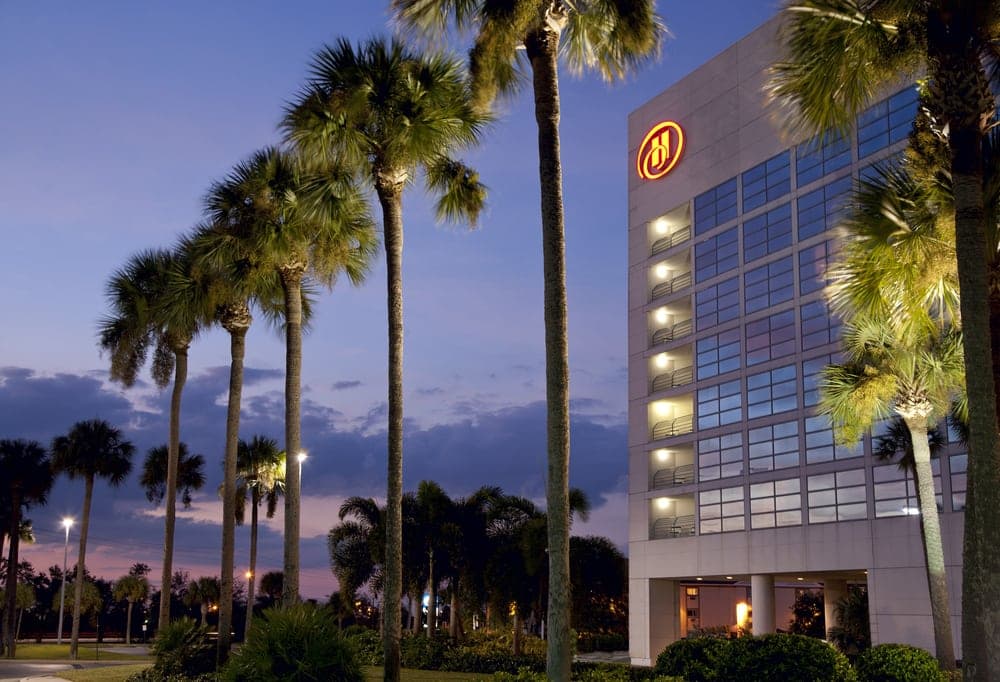
Hilton Rialto Place
MEP Systems Assessment
Melbourne, Florida
146,000 SF
Specialized Engineering
MEP systems assessment for the 146,000-square-foot, 237-guestroom Hilton Rialto Place Hotel in Melbourne, Florida.
View Project →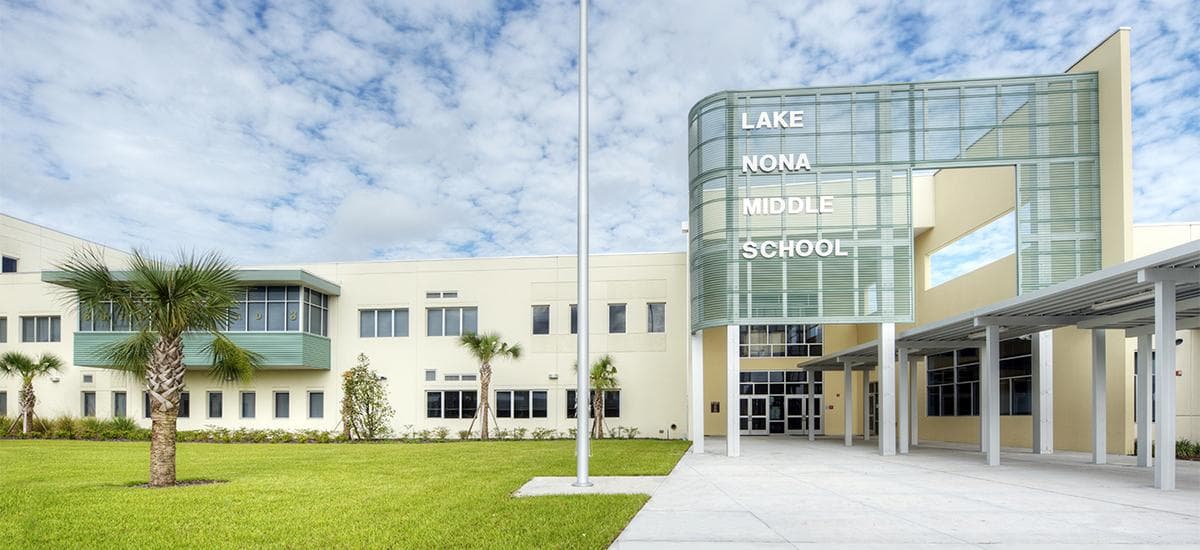
Education
Lake Nona Middle School
Orlando
Orlando, Florida
112,000 SF
Mechanical + Plumbing Engineering
Mechanical and plumbing engineering and project administration for a 112,000-square-foot middle school in Lake Nona, Orlando, Florida, including ice storage and hurricane-shelter ventilation.
View Project →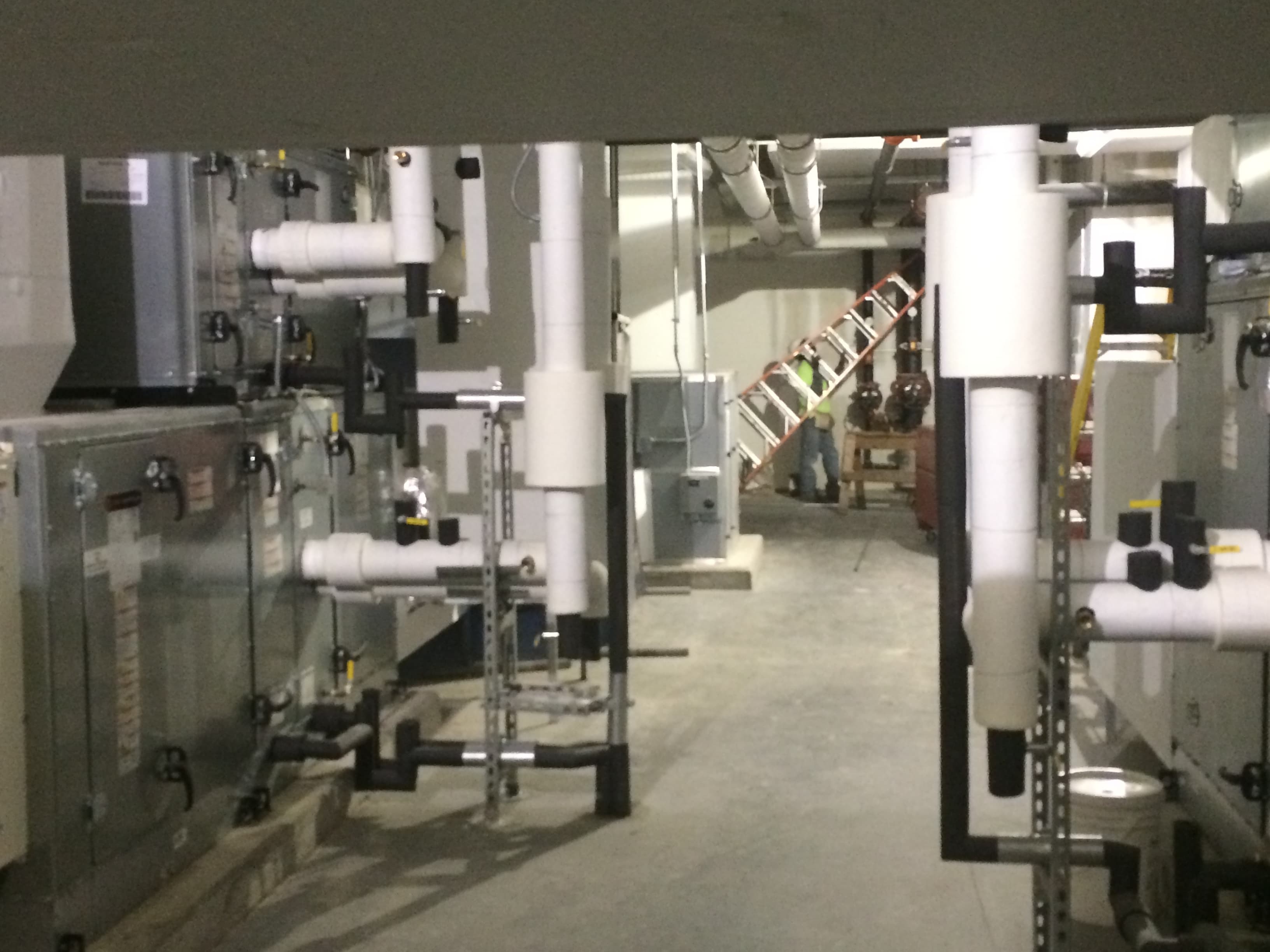
Education
Meadowlane Intermediate School
Central Energy Plant
West Melbourne, Florida
116,700 SF
Mechanical + Plumbing Engineering
Mechanical and plumbing engineering and project administration for a 116,700-square-foot school and water-cooled central energy plant in West Melbourne, Florida.
View Project →Common Questions
Is a chiller the same as a chilled water system?
A chiller is the machine that cools the water. The system also includes pumps, piping, coils, controls, and usually a condenser-water or heat-rejection side.
Why use chilled water instead of rooftop units?
Larger buildings often need centralized capacity, better humidity control options, redundancy, and a way to serve many air handlers from one plant.
Filed under Mechanical Engineering
Continue exploring
Related Questions
How Does a Chilled Water System Work?
Chilled water absorbs heat at building coils, returns to the chiller, rejects that heat at a cooling tower or air-cooled condenser, and is pumped back out as cold supply water.
Air-Cooled vs. Water-Cooled Chillers
Air-cooled chillers reject heat to outdoor air at the unit; water-cooled chillers reject heat through condenser water and a cooling tower. Each fits different site and plant conditions.
When Are Chilled Water Systems Used?
Chilled water systems are typically used in larger commercial, education, institutional, and specialized facilities where centralized cooling capacity and flexible air-side design matter.
What Is HVAC Engineering?
HVAC engineering is the design of heating, ventilating, and air-conditioning systems that control temperature, humidity, ventilation, and indoor air quality.
What Is Building Automation?
Building automation is the control system that starts, stops, sequences, and monitors HVAC and related equipment so a building operates as designed.
How Do You Control Humidity in a Commercial Building?
Commercial humidity control depends on dehumidification at the cooling coil, proper outdoor-air treatment, runtime, and controls—not just a lower thermostat setpoint.
Related BEED Services
Service
Chilled Water Systems
Chiller plants, pumping, air-handling equipment, and controls for larger commercial and institutional facilities.
Service
Central Plant Engineering
Central heating and cooling plants, thermal distribution, and plant optimization for campuses and large buildings.
Service
HVAC Engineering
Heating, ventilating, and air-conditioning design for occupant comfort, indoor air quality, and energy performance.
Service
Mechanical Engineering
HVAC, chilled water, central plants, ventilation, humidity control, and building automation for commercial and institutional buildings.
Related Locations
Local Presence
BEED Engineering — Based in Palm Bay, Serving Florida
BEED Engineering is a Palm Bay-based MEP firm providing mechanical, electrical, and plumbing design for commercial and specialized facilities throughout Central Florida and Florida. BEED Engineering is a firm you can trust to get the job done.
Need Engineering Help?
Planning a chilled water or central plant project?
BEED Engineering designs chilled water plants, pumping, air-handling systems, and controls for commercial and institutional buildings in Central Florida.