
Engineering Question
How Do You Control Humidity in a Commercial Building?
Commercial humidity control depends on dehumidification at the cooling coil, proper outdoor-air treatment, runtime, and controls—not just a lower thermostat setpoint.

Reviewed by
Michael K. Frempong, PE, LEED AP
President & Principal Engineer, BEED Engineering
Michael K. Frempong is a professional engineer and LEED AP accredited professional with over 20 years of experience in consulting engineering. As President & Principal Engineer at BEED Engineering, he leads the firm’s MEP design and consulting work for laboratory, healthcare, industrial, data center, education, commercial, municipal, and other building projects throughout Florida.
View BEED team profileQuick Answer
Commercial buildings control humidity by cooling air below its dew point at the coil, draining condensate, and using controls that keep equipment running long enough to dehumidify. Outdoor air must be treated, not dumped untreated into the space. In Florida, oversized cooling equipment and short runtimes are common reasons buildings feel cold and still damp.
On this page
Why humidity is a design problem in Florida
Outdoor air in Brevard County, the Treasure Coast, and Orlando carries a large latent (moisture) load for much of the year. Occupants, showers, kitchens, and infiltration add more. Temperature control alone does not remove that moisture.
This is a core HVAC engineering issue for BEED’s region.
How dehumidification actually works
When air passes over a cold coil:
- The coil surface is below the air’s dew point.
- Moisture condenses and drains.
- Supply air leaves cooler and drier.
- The space relative humidity drops if the system runs long enough and outdoor air is controlled.
If the coil is not cold enough, or the unit cycles off quickly, little moisture is removed.
Design strategies that work
- Size equipment for latent load, not only sensible peak
- Use colder water or appropriate DX coil conditions when needed
- Treat outdoor air with a dedicated outdoor air system (DOAS)
- Keep building pressure slightly positive to limit humid infiltration
- Specify control sequences for dehumidification mode
- Maintain drain pans, traps, and filters
Chilled water systems can help on larger buildings because coil temperatures and airflows can be designed together.
Common mistakes
- Oversized rooftop units
- Unconditioned outdoor air dumped into return plenums
- Night setback that lets the building absorb moisture
- Ignoring envelope leaks and exhaust makeup
When to involve an engineer
Involve an engineer when a building has mold-risk complaints, wide humidity swings, or a renovation that adds occupancy or outdoor-air requirements. A site observation and load review usually beats another equipment swap. See mechanical engineering in Brevard County.
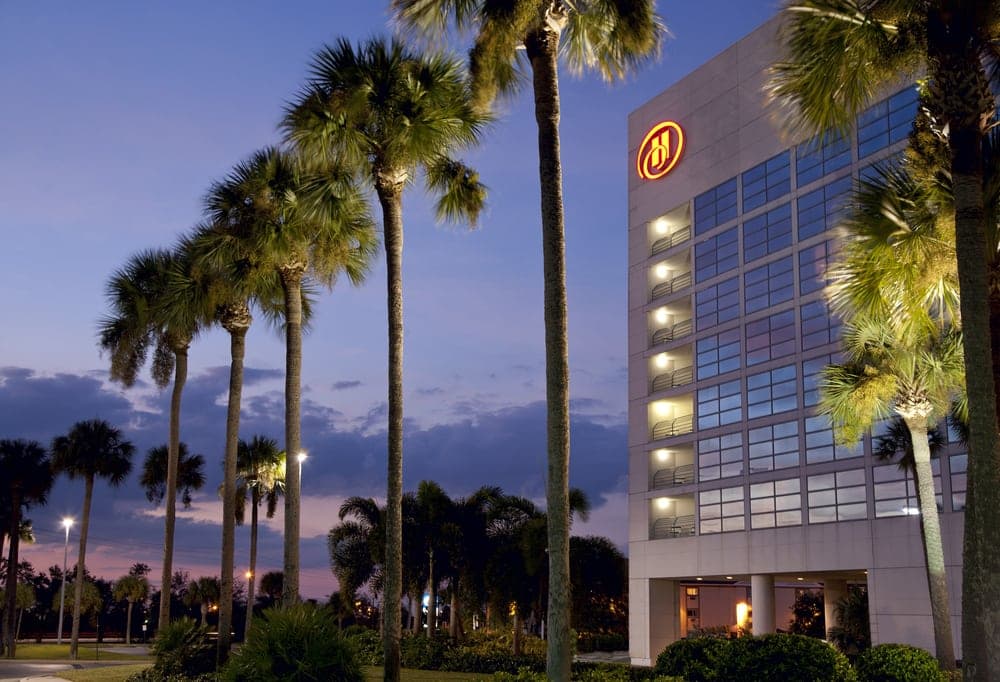
Humidity criteria drove BEED’s SpaceX PPF cleanroom study at Cape Canaveral and are a recurring issue on existing-building reviews such as the Hilton Rialto Place assessment in Melbourne.
Related BEED projects
All projects →Selected work that shows how BEED has applied this kind of engineering on real buildings.
Commercial
Hilton Rialto Place
MEP Systems Assessment
Melbourne, Florida
146,000 SF
Specialized Engineering
MEP systems assessment for the 146,000-square-foot, 237-guestroom Hilton Rialto Place Hotel in Melbourne, Florida.
View Project →BEED Engineering
Aerospace
SpaceX PPF
Cape Canaveral, Florida · Mechanical Engineering
Aerospace
SpaceX PPF
East SMAG Cleanroom HVAC Study
Cape Canaveral, Florida
6,400 SF high bay + 1,764 SF airlock
Mechanical Engineering
A mechanical study of the existing HVAC system at the SpaceX Payload Processing Facility East SMAG in Cape Canaveral, Florida, to determine the upgrades required for ISO 8 cleanroom conditions in a 6,400-square-foot, 140-foot high bay.
View Project →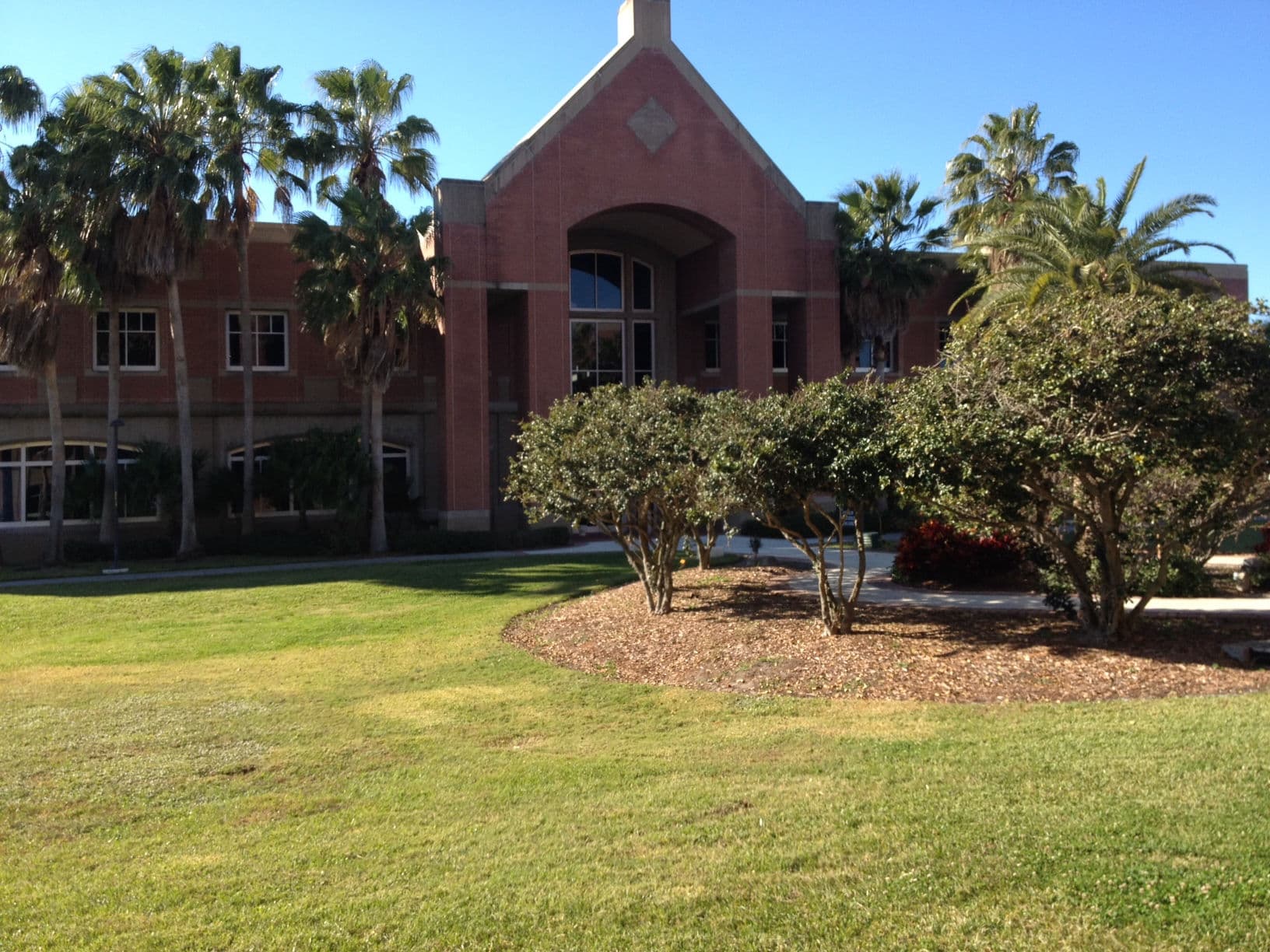
Higher Education
Florida Institute of Technology
Fume Hood Modernization
Melbourne, Florida
40,000 SF
Mechanical + Electrical Engineering
Mechanical and electrical engineering for a 40,000-square-foot laboratory fume hood modernization at the Olin Physical Science Building in Melbourne, Florida.
View Project →Common Questions
Will lowering the thermostat dry the building out?
Not necessarily. If the unit short-cycles, it cools air without removing much moisture. Dehumidification needs coil temperature and runtime.
Do I need a dedicated outdoor air system?
Many Florida commercial occupancies benefit from treating outdoor air separately so space units are not overloaded with latent load.
Filed under Mechanical Engineering
Continue exploring
Related Questions
What Is HVAC Engineering?
HVAC engineering is the design of heating, ventilating, and air-conditioning systems that control temperature, humidity, ventilation, and indoor air quality.
What Is a Chilled Water System?
A chilled water system uses a chiller to cool water that is pumped to air-handling units and other coils, then returned to the plant to be cooled again.
What Is Building Automation?
Building automation is the control system that starts, stops, sequences, and monitors HVAC and related equipment so a building operates as designed.
Commercial HVAC Design: A Guide for Building Owners
A practical owner’s guide to commercial HVAC design decisions, from system type and humidity control to controls, maintenance access, and when to hire an engineer.
What Are HVAC Controls?
HVAC controls are the thermostats, sensors, controllers, valves, dampers, and drives that regulate heating, cooling, ventilation, and related mechanical equipment.
What Is a Building Automation System?
A building automation system is the networked hardware and software that senses conditions, runs controllers, and operates HVAC equipment as a coordinated plant.
Related BEED Services
Service
HVAC Engineering
Heating, ventilating, and air-conditioning design for occupant comfort, indoor air quality, and energy performance.
Service
Mechanical Engineering
HVAC, chilled water, central plants, ventilation, humidity control, and building automation for commercial and institutional buildings.
Service
Building Automation
Controls sequences, BAS architecture, and integration that make mechanical and electrical systems operate as designed.
Related Locations
Local Presence
BEED Engineering — Based in Palm Bay, Serving Florida
BEED Engineering is a Palm Bay-based MEP firm providing mechanical, electrical, and plumbing design for commercial and specialized facilities throughout Central Florida and Florida. BEED Engineering is a firm you can trust to get the job done.
Need Engineering Help?
Dealing with humidity problems in a commercial building?
BEED Engineering diagnoses and designs HVAC systems for Florida humidity, outdoor air, and indoor air quality—not just peak temperature.