
Engineering Question
What Are HVAC Controls?
HVAC controls are the thermostats, sensors, controllers, valves, dampers, and drives that regulate heating, cooling, ventilation, and related mechanical equipment.

Reviewed by
Michael K. Frempong, PE, LEED AP
President & Principal Engineer, BEED Engineering
Michael K. Frempong is a professional engineer and LEED AP accredited professional with over 20 years of experience in consulting engineering. As President & Principal Engineer at BEED Engineering, he leads the firm’s MEP design and consulting work for laboratory, healthcare, industrial, data center, education, commercial, municipal, and other building projects throughout Florida.
View BEED team profileQuick Answer
HVAC controls are the devices and logic that regulate heating, ventilating, and air-conditioning equipment. They include local thermostats, sensors, controllers, control valves, dampers, variable-frequency drives, and equipment enable circuits. On larger buildings those devices usually connect to a building automation system so equipment runs to schedules, setpoints, and safeties instead of operating independently.
On this page
What HVAC controls are
HVAC controls are the sensing, decision-making, and actuating parts of a heating, ventilating, and air-conditioning system. HVAC engineering sizes and layouts the plant. Controls decide when equipment runs, how hard it runs, and when it must stop for safety.
Without controls, every fan, valve, and chiller would need constant manual attention.
Common control devices
Commercial systems typically use some combination of:
- Thermostats and space sensors: measure room temperature; sometimes humidity or occupancy
- Duct and hydronic sensors: supply/return air temperature, mixed-air temperature, coil leaving-water temperature, static pressure, differential pressure
- Controllers: local unitary controls or networked controllers that run logic
- Control valves: modulate chilled water, hot water, or steam to coils
- Dampers: outdoor air, return air, exhaust, and zone dampers
- VFDs: vary fan and pump motor speed
- Equipment controls: factory or field interfaces on chillers, boilers, rooftop units, and exhaust fans
- Safeties: freezestats, smoke detectors (where required), high/low limit switches, and interlocks
From local control to a BAS
A single rooftop unit may run from a thermostat and its onboard controller. Larger buildings usually need a building automation system so many devices share schedules, setpoints, trends, and alarms.
Building automation is the broader practice of coordinating those systems. HVAC controls are the field-level pieces that make the practice work.
What controls actually regulate
Beyond room temperature, commercial controls often manage:
- Supply-air temperature and reset
- Humidity and reheat strategies
- Minimum outdoor air and economizer logic where used
- Fan and pump speed
- Chiller and boiler staging
- Exhaust and makeup-air relationships
- Alarms for out-of-range conditions
In Florida, humidity control depends as much on coil temperature, outdoor-air treatment, and run time as on the thermostat setpoint.
Design and commissioning
Engineers should document:
- Points list (what is sensed and commanded)
- Sequence of operations
- Setpoints, resets, and alarm limits
- Occupied and unoccupied modes
Commissioning then verifies that valves stroke, dampers seal, VFDs follow commands, and equipment stages as specified.
When to involve an engineer
Involve an engineer when replacing major HVAC equipment, adding dedicated outdoor air, integrating new devices into an existing front end, or investigating chronic comfort, humidity, or energy complaints. Device replacement alone rarely fixes a sequence problem.
Related BEED projects
All projects →Selected work that shows how BEED has applied this kind of engineering on real buildings.
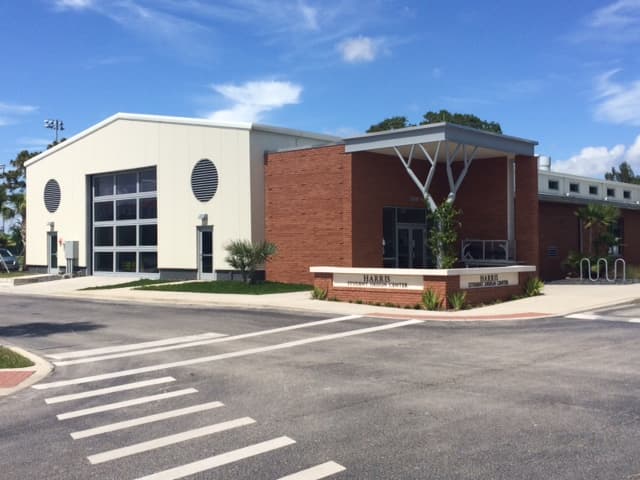
Higher Education
Florida Institute of Technology
Harris Student Design Center
Melbourne, Florida
8,000 SF
Mechanical + Plumbing Engineering
Mechanical and plumbing design, project administration, and LEED Fundamental Commissioning for the 8,000-square-foot Harris Student Design Center at Florida Tech in Melbourne, Florida.
View Project →BEED Engineering
Education
Holly Hill Middle School
Holly Hill, Florida · Mechanical + Plumbing Engineering
Education
Holly Hill Middle School
LEED Silver Addition
Holly Hill, Florida
53,345 SF
Mechanical + Plumbing Engineering
Mechanical and plumbing engineering for a 53,345-square-foot LEED Silver middle school addition in Holly Hill, Florida, including an air-cooled chiller plant and demand-based ventilation.
View Project →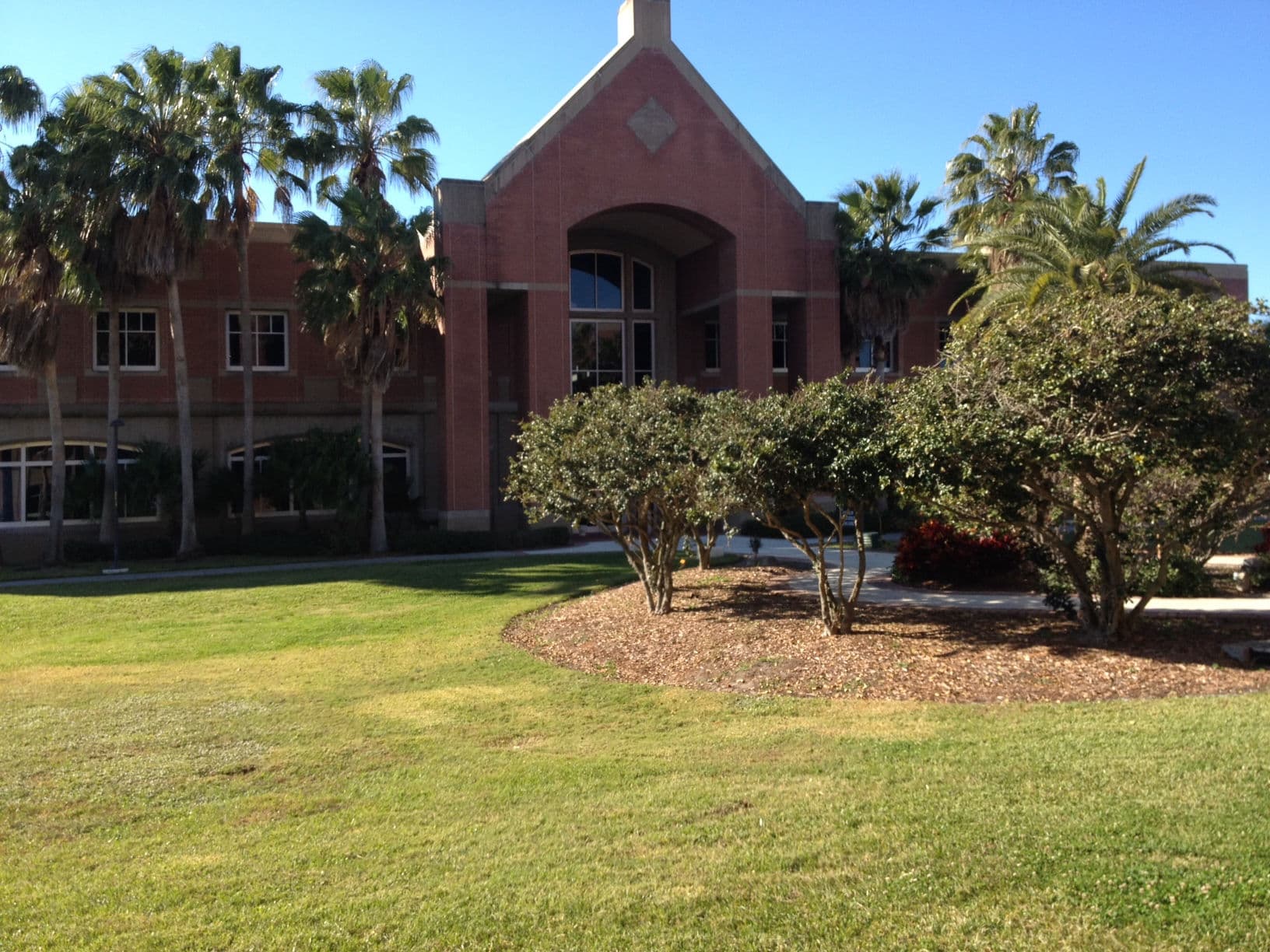
Higher Education
Florida Institute of Technology
Fume Hood Modernization
Melbourne, Florida
40,000 SF
Mechanical + Electrical Engineering
Mechanical and electrical engineering for a 40,000-square-foot laboratory fume hood modernization at the Olin Physical Science Building in Melbourne, Florida.
View Project →Common Questions
Is a thermostat the same as HVAC controls?
A thermostat is one local control device. Commercial HVAC controls usually include sensors, controllers, valves, dampers, drives, and often a networked automation system.
What does a VFD do in HVAC controls?
A variable-frequency drive changes motor speed on fans or pumps so airflow or water flow can match load instead of running at a fixed rate.
Do HVAC controls only manage temperature?
No. Well-designed controls also address humidity, outdoor air, static pressure, equipment staging, safeties, and alarms.
How do HVAC controls relate to commissioning?
Commissioning checks that installed controls follow the specified sequences under real operating conditions, not only that devices power up.
Filed under Mechanical Engineering
Continue exploring
Related Questions
What Is Building Automation?
Building automation is the control system that starts, stops, sequences, and monitors HVAC and related equipment so a building operates as designed.
What Is a Building Automation System?
A building automation system is the networked hardware and software that senses conditions, runs controllers, and operates HVAC equipment as a coordinated plant.
What Is HVAC Engineering?
HVAC engineering is the design of heating, ventilating, and air-conditioning systems that control temperature, humidity, ventilation, and indoor air quality.
How Do You Control Humidity in a Commercial Building?
Commercial humidity control depends on dehumidification at the cooling coil, proper outdoor-air treatment, runtime, and controls—not just a lower thermostat setpoint.
What Is a Building Management System?
A building management system is a central interface that monitors and controls building systems—most often HVAC—through sensors, controllers, and operator graphics.
Commercial HVAC Design: A Guide for Building Owners
A practical owner’s guide to commercial HVAC design decisions, from system type and humidity control to controls, maintenance access, and when to hire an engineer.
Related BEED Services
Service
Building Automation
Controls sequences, BAS architecture, and integration that make mechanical and electrical systems operate as designed.
Service
HVAC Engineering
Heating, ventilating, and air-conditioning design for occupant comfort, indoor air quality, and energy performance.
Service
Commissioning
Systematic verification that building systems are installed, tested, and operating according to the owner's requirements.
Related Locations
Local Presence
BEED Engineering — Based in Palm Bay, Serving Florida
BEED Engineering is a Palm Bay-based MEP firm providing mechanical, electrical, and plumbing design for commercial and specialized facilities throughout Central Florida and Florida. BEED Engineering is a firm you can trust to get the job done.
Need Engineering Help?
Discuss Your Project
BEED Engineering designs HVAC control sequences and coordinates sensors, actuators, and automation with mechanical and commissioning scope for Florida commercial buildings.