
Engineering Question
What Is HVAC Engineering?
HVAC engineering is the design of heating, ventilating, and air-conditioning systems that control temperature, humidity, ventilation, and indoor air quality.

Reviewed by
Michael K. Frempong, PE, LEED AP
President & Principal Engineer, BEED Engineering
Michael K. Frempong is a professional engineer and LEED AP accredited professional with over 20 years of experience in consulting engineering. As President & Principal Engineer at BEED Engineering, he leads the firm’s MEP design and consulting work for laboratory, healthcare, industrial, data center, education, commercial, municipal, and other building projects throughout Florida.
View BEED team profileQuick Answer
HVAC engineering is the mechanical design of heating, ventilating, and air-conditioning systems. The engineer sizes equipment, designs air and water distribution, sets ventilation rates, and coordinates controls so the building can maintain temperature, humidity, and indoor air quality. On commercial projects this is part of MEP engineering, not a standalone equipment sale.
On this page
What HVAC engineering covers
HVAC stands for heating, ventilating, and air conditioning. The engineering task is to design a system that can:
- Meet peak heating and cooling loads
- Provide outdoor air for occupants
- Control humidity
- Exhaust restrooms, kitchens, and process spaces
- Operate efficiently and remain maintainable
That work sits inside mechanical engineering and the broader MEP package.
How an HVAC design is developed
- Establish indoor and outdoor design conditions.
- Calculate loads from envelope, occupancy, lighting, and equipment.
- Select a system type: packaged DX, split systems, variable refrigerant, or chilled water.
- Design distribution: ducts, pipes, terminals, and outside-air paths.
- Define ventilation, filtration, and exhaust.
- Write control sequences.
Common commercial system types
| System | Typical use |
|---|---|
| Packaged rooftop units | Offices, retail, schools |
| Split / VRF systems | Smaller commercial and renovations |
| Chilled water + air handlers | Larger buildings, campuses, hospitals |
| Dedicated outdoor air systems | Humidity-sensitive occupancies |
Florida-specific issues
Outdoor humidity, long cooling seasons, and hurricane-related power interruptions affect equipment selection, outside-air treatment, and emergency operation. See humidity control in commercial buildings and mechanical engineering in Brevard County.
BEED’s HVAC work ranges from packaged systems on Honda of Palm Bay and Firehouse Subs to laboratory exhaust at Florida Tech and central plants at Meadowlane Intermediate School.
When to involve an engineer
Involve an HVAC engineer when replacing a unit that serves more than a simple isolated space, when occupancy changes, when humidity or indoor air quality is a complaint, or when the building department requires sealed mechanical drawings.
Related BEED projects
All projects →Selected work that shows how BEED has applied this kind of engineering on real buildings.
Healthcare
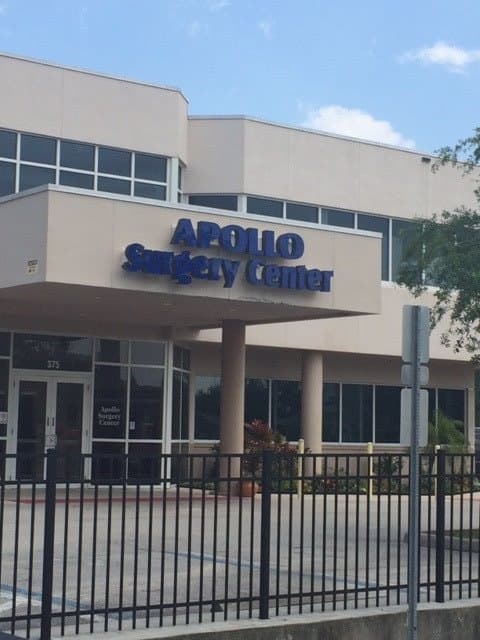
Apollo Surgery Center
Surgical Facility Expansion
West Melbourne, Florida
8,000 SF
Mechanical + Plumbing + Fire Protection
Mechanical, plumbing, and fire protection engineering for an 8,000-square-foot expansion of a surgical facility in West Melbourne, Florida.
View Project →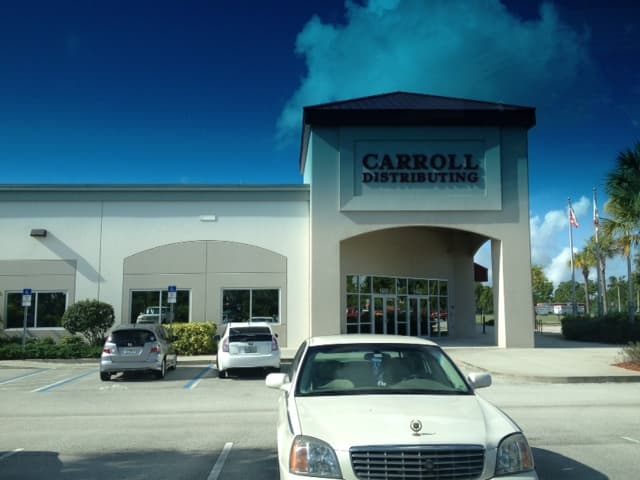
Industrial
Carroll Distributing
Beer Distribution Facility
Rockledge, Florida
165,000 SF
Mechanical Engineering
Mechanical engineering for a 165,000-square-foot beer distribution facility in Rockledge, Florida.
View Project →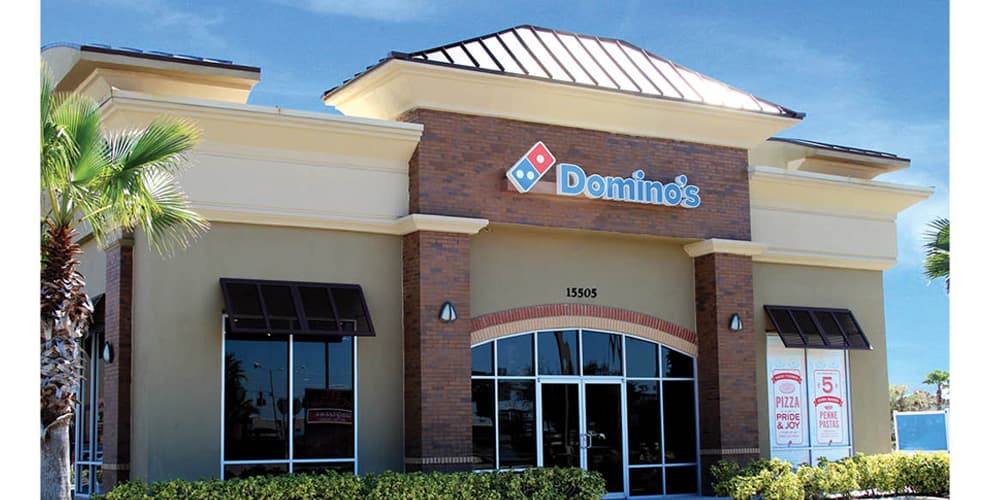
Food Service
Domino's
Port Orange
Port Orange, Florida
1,400 SF
Mechanical + Electrical + Plumbing
MEP engineering for a 1,400-square-foot Domino's restaurant in Port Orange, Florida, with customer, production, storage, and walk-in cooler spaces.
View Project →Common Questions
Is HVAC the same as mechanical engineering?
HVAC is the largest part of building mechanical engineering, but mechanical scope can also include process cooling, hydronic heating, and specialty exhaust.
Why can’t I just pick a larger air conditioner?
Oversizing often worsens humidity control and short-cycles equipment. Engineering matches load, airflow, and dehumidification to the space.
Filed under Mechanical Engineering
Continue exploring
Related Questions
What Is a Chilled Water System?
A chilled water system uses a chiller to cool water that is pumped to air-handling units and other coils, then returned to the plant to be cooled again.
How Do You Control Humidity in a Commercial Building?
Commercial humidity control depends on dehumidification at the cooling coil, proper outdoor-air treatment, runtime, and controls—not just a lower thermostat setpoint.
What Is Building Automation?
Building automation is the control system that starts, stops, sequences, and monitors HVAC and related equipment so a building operates as designed.
Commercial HVAC Design: A Guide for Building Owners
A practical owner’s guide to commercial HVAC design decisions, from system type and humidity control to controls, maintenance access, and when to hire an engineer.
Air-Cooled vs. Water-Cooled Chillers
Air-cooled chillers reject heat to outdoor air at the unit; water-cooled chillers reject heat through condenser water and a cooling tower. Each fits different site and plant conditions.
What Are HVAC Controls?
HVAC controls are the thermostats, sensors, controllers, valves, dampers, and drives that regulate heating, cooling, ventilation, and related mechanical equipment.
Related BEED Services
Service
HVAC Engineering
Heating, ventilating, and air-conditioning design for occupant comfort, indoor air quality, and energy performance.
Service
Mechanical Engineering
HVAC, chilled water, central plants, ventilation, humidity control, and building automation for commercial and institutional buildings.
Service
Building Automation
Controls sequences, BAS architecture, and integration that make mechanical and electrical systems operate as designed.
Related Locations
Local Presence
BEED Engineering — Based in Palm Bay, Serving Florida
BEED Engineering is a Palm Bay-based MEP firm providing mechanical, electrical, and plumbing design for commercial and specialized facilities throughout Central Florida and Florida. BEED Engineering is a firm you can trust to get the job done.
Need Engineering Help?
Need HVAC engineering for a commercial building?
BEED designs HVAC and related mechanical systems for new buildings, replacements, and renovations throughout Central Florida.