
Engineering Question
What Is a Building Automation System?
A building automation system is the networked hardware and software that senses conditions, runs controllers, and operates HVAC equipment as a coordinated plant.

Reviewed by
Michael K. Frempong, PE, LEED AP
President & Principal Engineer, BEED Engineering
Michael K. Frempong is a professional engineer and LEED AP accredited professional with over 20 years of experience in consulting engineering. As President & Principal Engineer at BEED Engineering, he leads the firm’s MEP design and consulting work for laboratory, healthcare, industrial, data center, education, commercial, municipal, and other building projects throughout Florida.
View BEED team profileQuick Answer
A building automation system (BAS) is the physical and digital system that monitors sensors, runs controllers, and commands HVAC and related equipment. Field devices report temperatures, pressures, flows, and statuses. Controllers execute sequences. Equipment such as chillers, air handlers, valves, dampers, and fans respond. Operators view and adjust the system through a workstation or web interface. It is the installed control package that turns separate mechanical pieces into one operating system.
On this page
What a building automation system is
A building automation system is the installed control system for a building’s mechanical plant and related equipment. Where building automation describes the overall concept, a BAS is the concrete assembly: field devices, controllers, communication networks, and the operator interface.
It does not replace chillers, air handlers, or pumps. It senses conditions, decides what should happen next according to written sequences, and commands those machines.
Core components
A typical commercial BAS includes:
- Sensors: temperature, humidity, pressure, flow, CO₂, and equipment status
- Controllers: unitary, equipment, and supervisory controllers that run logic
- Actuated devices: control valves, dampers, and relays
- Equipment interfaces: chillers, air handlers, boilers, pumps, and fans
- Drives: variable-frequency drives (VFDs) for fans and pumps when used
- Network: the wiring or wireless path that lets devices share data
- Operator interface: workstation or web graphics for schedules, trends, and alarms
HVAC controls are the devices and logic at the equipment level. The BAS is how those pieces are networked and supervised.
How the parts communicate
Sensors send analog or digital signals to controllers. Controllers execute start/stop, modulation, and safety logic. Commands go out to valves, dampers, VFDs, and equipment enable inputs. Status and alarms return to the supervisory level so operators can trend performance and respond to faults.
On a chilled water plant, that communication is what stages chillers, starts pumps in the right order, and coordinates air-handler valves with plant capacity.
Commercial applications
BAS installations are common in:
- Schools and campus central plants
- Office and civic buildings with multiple air handlers
- Healthcare and laboratory facilities with specialized exhaust or pressurization
- Buildings that need occupied/unoccupied schedules and remote alarming
BEED’s controls-related work includes the Florida Tech fume hood modernization, the Meadowlane Intermediate School central plant, and commissioning support at the Harris Student Design Center.
Relationship to a building management system
A building management system (BMS) is a closely related term. In practice, vendors and owners often use BAS and BMS interchangeably for HVAC-focused control systems. Some projects use BMS when the same front end also monitors electrical, lighting, or other building systems. The naming varies; the engineering deliverable is still a defined points list and sequence of operations.
When to involve an engineer
Involve an engineer when replacing a plant, integrating new equipment into an existing front end, rewriting sequences after chronic comfort or humidity complaints, or specifying controls for new construction. Florida projects especially need control logic that supports dehumidification, not only temperature setpoints.
Related BEED projects
All projects →Selected work that shows how BEED has applied this kind of engineering on real buildings.
BEED Engineering
Education
Holly Hill Middle School
Holly Hill, Florida · Mechanical + Plumbing Engineering
Education
Holly Hill Middle School
LEED Silver Addition
Holly Hill, Florida
53,345 SF
Mechanical + Plumbing Engineering
Mechanical and plumbing engineering for a 53,345-square-foot LEED Silver middle school addition in Holly Hill, Florida, including an air-cooled chiller plant and demand-based ventilation.
View Project →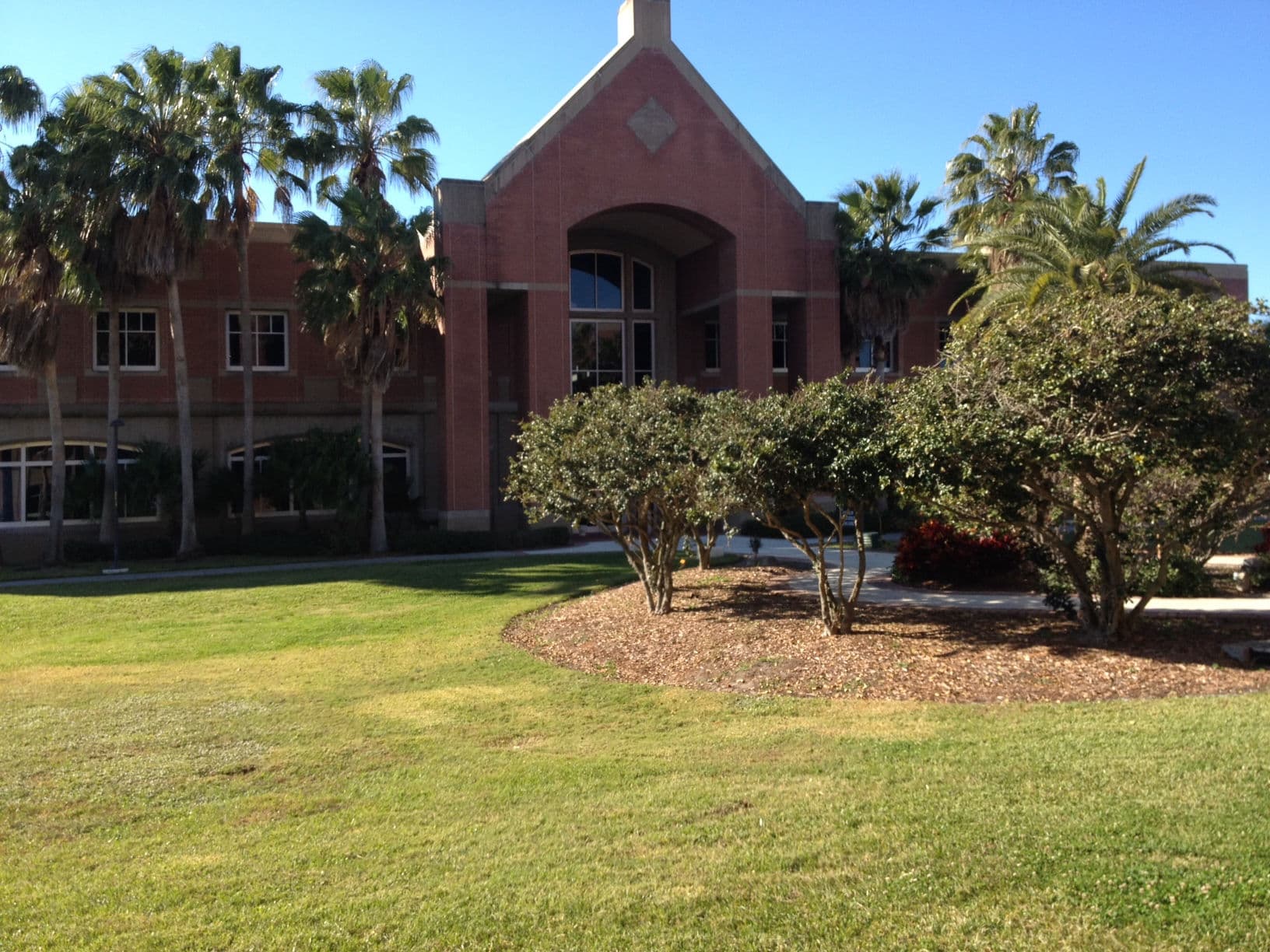
Higher Education
Florida Institute of Technology
Fume Hood Modernization
Melbourne, Florida
40,000 SF
Mechanical + Electrical Engineering
Mechanical and electrical engineering for a 40,000-square-foot laboratory fume hood modernization at the Olin Physical Science Building in Melbourne, Florida.
View Project →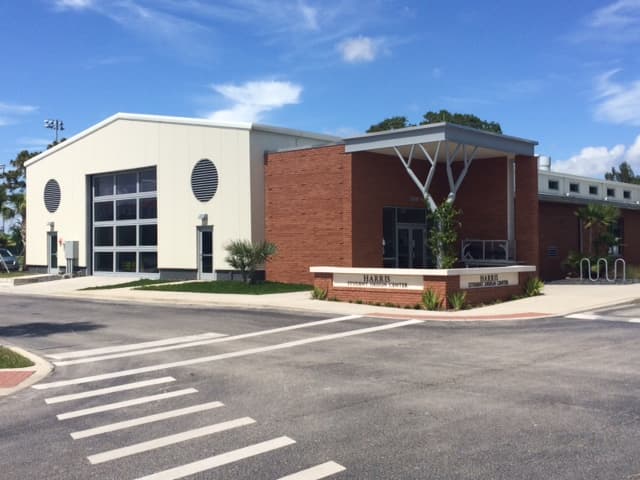
Higher Education
Florida Institute of Technology
Harris Student Design Center
Melbourne, Florida
8,000 SF
Mechanical + Plumbing Engineering
Mechanical and plumbing design, project administration, and LEED Fundamental Commissioning for the 8,000-square-foot Harris Student Design Center at Florida Tech in Melbourne, Florida.
View Project →Common Questions
How is a BAS different from building automation in general?
Building automation describes the practice and purpose. A building automation system is the installed package of sensors, controllers, networks, and operator interfaces that carries that out.
What equipment does a BAS typically connect to?
Common points include air handlers, chillers, boilers, pumps, exhaust fans, valves, dampers, variable-frequency drives, and related status and alarm inputs.
Who designs versus who installs a BAS?
The mechanical engineer often defines sequences, points, and performance. A controls contractor typically furnishes, installs, and programs the controllers to those documents.
Does every commercial building need a full BAS?
Small buildings may use unitary controls. Larger plants, campuses, and humidity-sensitive facilities usually need a networked BAS to coordinate equipment and schedules.
Filed under Mechanical Engineering
Continue exploring
Related Questions
What Is Building Automation?
Building automation is the control system that starts, stops, sequences, and monitors HVAC and related equipment so a building operates as designed.
What Are HVAC Controls?
HVAC controls are the thermostats, sensors, controllers, valves, dampers, and drives that regulate heating, cooling, ventilation, and related mechanical equipment.
What Is a Building Management System?
A building management system is a central interface that monitors and controls building systems—most often HVAC—through sensors, controllers, and operator graphics.
How Does a Chilled Water System Work?
Chilled water absorbs heat at building coils, returns to the chiller, rejects that heat at a cooling tower or air-cooled condenser, and is pumped back out as cold supply water.
Commercial HVAC Design: A Guide for Building Owners
A practical owner’s guide to commercial HVAC design decisions, from system type and humidity control to controls, maintenance access, and when to hire an engineer.
How Do You Control Humidity in a Commercial Building?
Commercial humidity control depends on dehumidification at the cooling coil, proper outdoor-air treatment, runtime, and controls—not just a lower thermostat setpoint.
Related BEED Services
Service
Building Automation
Controls sequences, BAS architecture, and integration that make mechanical and electrical systems operate as designed.
Service
HVAC Engineering
Heating, ventilating, and air-conditioning design for occupant comfort, indoor air quality, and energy performance.
Service
Mechanical Engineering
HVAC, chilled water, central plants, ventilation, humidity control, and building automation for commercial and institutional buildings.
Related Locations
Local Presence
BEED Engineering — Based in Palm Bay, Serving Florida
BEED Engineering is a Palm Bay-based MEP firm providing mechanical, electrical, and plumbing design for commercial and specialized facilities throughout Central Florida and Florida. BEED Engineering is a firm you can trust to get the job done.
Need Engineering Help?
Discuss Your Project
BEED Engineering designs building automation sequences, points lists, and HVAC controls coordination for commercial and institutional buildings in Central Florida.