
Engineering Question
What Does MEP Engineering Include?
MEP engineering typically includes mechanical HVAC, electrical power and lighting, plumbing, and related life-safety and controls work required to design a complete building system package.

Reviewed by
Michael K. Frempong, PE, LEED AP
President & Principal Engineer, BEED Engineering
Michael K. Frempong is a professional engineer and LEED AP accredited professional with over 20 years of experience in consulting engineering. As President & Principal Engineer at BEED Engineering, he leads the firm’s MEP design and consulting work for laboratory, healthcare, industrial, data center, education, commercial, municipal, and other building projects throughout Florida.
View BEED team profileQuick Answer
MEP engineering typically includes mechanical HVAC and ventilation, electrical power and lighting, plumbing, and the related fire alarm, controls, and specialty systems needed for the building type. The exact scope is defined in the engineer’s proposal and should match the occupancy, existing conditions, and permit requirements.
On this page
Typical MEP scope
A complete MEP package for a commercial building usually includes the following.
Mechanical
- HVAC equipment and air distribution
- Ventilation and exhaust
- Chilled water or other plant systems when applicable
- Humidity and outdoor-air strategies
- Building automation sequences and control diagrams
Electrical
- Utility service and power distribution
- Lighting and controls
- Emergency and standby power
- Fire alarm
- Equipment connections for HVAC and plumbing loads
Plumbing
- Domestic water
- Sanitary waste and vent
- Storm drainage
- Natural gas
- Specialty systems such as medical gas when the occupancy requires them
What may be additional
Confirm these items in writing:
- Fire sprinklers and fire pumps
- Structured cabling and security
- Energy modeling and LEED documentation
- Commissioning
- Existing-conditions survey and scanning
- Process utilities for labs and industrial occupancies
How to read a proposal
Look for disciplines, deliverables, exclusions, and construction-phase services. “MEP design” without that list is not a scope.
Related: What does an MEP engineer do? and How much does MEP engineering cost?.
Related BEED projects
All projects →Selected work that shows how BEED has applied this kind of engineering on real buildings.

Higher Education
Florida Institute of Technology
Fume Hood Modernization
Melbourne, Florida
40,000 SF
Mechanical + Electrical Engineering
Mechanical and electrical engineering for a 40,000-square-foot laboratory fume hood modernization at the Olin Physical Science Building in Melbourne, Florida.
View Project →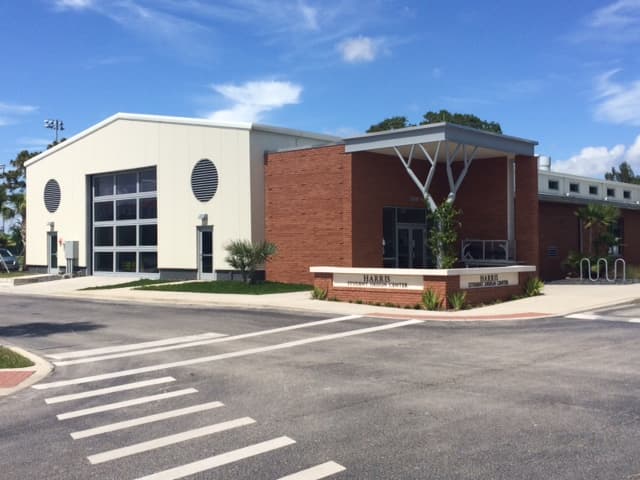
Higher Education
Florida Institute of Technology
Harris Student Design Center
Melbourne, Florida
8,000 SF
Mechanical + Plumbing Engineering
Mechanical and plumbing design, project administration, and LEED Fundamental Commissioning for the 8,000-square-foot Harris Student Design Center at Florida Tech in Melbourne, Florida.
View Project →
Education
Meadowlane Intermediate School
Central Energy Plant
West Melbourne, Florida
116,700 SF
Mechanical + Plumbing Engineering
Mechanical and plumbing engineering and project administration for a 116,700-square-foot school and water-cooled central energy plant in West Melbourne, Florida.
View Project →Common Questions
Does MEP include fire protection sprinklers?
Often a separate fire protection engineer or contractor designs the sprinkler system. The MEP engineer still coordinates space, power, and interfaces.
Does MEP include low-voltage systems?
It depends on the proposal. Fire alarm is commonly included. Data, access control, and AV may be design-assist or owner-vendor scope.
Filed under Construction & Design
Continue exploring
Related Questions
What Is MEP Engineering?
MEP engineering is the coordinated design of mechanical, electrical, and plumbing systems that make a building usable, safe, and efficient.
What Does an MEP Engineer Do?
An MEP engineer designs mechanical, electrical, and plumbing systems, coordinates them with architecture and structure, and supports the project through permitting and construction.
What Is HVAC Engineering?
HVAC engineering is the design of heating, ventilating, and air-conditioning systems that control temperature, humidity, ventilation, and indoor air quality.
What Does an MEP Engineer Do During Construction?
During construction, an MEP engineer reviews submittals, answers RFIs, visits the site at key milestones, and helps resolve field conflicts so systems are installed as designed.
How Much Does MEP Engineering Cost?
MEP engineering fees depend on building type, system complexity, renovation constraints, and the level of construction-phase services—not a single percentage that fits every project.
Do I Need an Engineer for a Commercial Renovation?
Many commercial renovations need an MEP engineer when HVAC, electrical, plumbing, occupancy, or life-safety systems change—or when sealed drawings are required for permit.
Related BEED Services
Service
Mechanical Engineering
HVAC, chilled water, central plants, ventilation, humidity control, and building automation for commercial and institutional buildings.
Service
Electrical Engineering
Power distribution, lighting, generators, fire alarm, and low-voltage systems for new construction and renovations.
Service
Plumbing Engineering
Domestic water, sanitary waste, storm drainage, medical gas, and natural gas systems for building projects.
Service
Building Automation
Controls sequences, BAS architecture, and integration that make mechanical and electrical systems operate as designed.
Related Locations
Local Presence
BEED Engineering — Based in Palm Bay, Serving Florida
BEED Engineering is a Palm Bay-based MEP firm providing mechanical, electrical, and plumbing design for commercial and specialized facilities throughout Central Florida and Florida. BEED Engineering is a firm you can trust to get the job done.
Need Engineering Help?
Need a complete MEP design package?
BEED Engineering can define mechanical, electrical, plumbing, and specialty scope around your building type and permit path.