
Engineering Question
What Is Stormwater Drainage?
Building stormwater drainage collects rain from roofs and area drains and conveys it to the storm sewer or an approved point of discharge.

Reviewed by
Michael K. Frempong, PE, LEED AP
President & Principal Engineer, BEED Engineering
Michael K. Frempong is a professional engineer and LEED AP accredited professional with over 20 years of experience in consulting engineering. As President & Principal Engineer at BEED Engineering, he leads the firm’s MEP design and consulting work for laboratory, healthcare, industrial, data center, education, commercial, municipal, and other building projects throughout Florida.
View BEED team profileQuick Answer
Stormwater drainage for buildings collects rainwater from roofs, canopies, and some areaways and conveys it through leaders and building storm drains to an approved discharge. It is separate from sanitary waste. The engineer sizes roof drains, overflow drainage, and piping for local rainfall intensity and coordinates outlets with civil site design.
On this page
Building storm drainage versus site stormwater
Building storm drainage is a plumbing system: roof drains, overflow drains, leaders, and the building storm drain.
Site stormwater is typically civil: inlets, pipes, ponds, and outfalls.
The two systems must meet at a coordinated discharge point.
Main components
- Roof drains and overflow / secondary drainage
- Vertical leaders
- Horizontal storm piping
- Cleanouts
- Discharge to civil storm or an approved location
This is distinct from the sanitary waste system.
Design issues in Florida
- High rainfall intensity
- Flat roofs and limited structure depth
- Coastal wind and overflow scupper detailing
- Coordination with canopies and enclosed courtyards
See plumbing engineering in Brevard County and Treasure Coast.
When to involve an engineer
Involve an engineer for new roofs, reroof projects that change drain locations, additions, and any interior leader replacement. Undersized overflow drainage is a structural concern.
Related BEED projects
All projects →Selected work that shows how BEED has applied this kind of engineering on real buildings.
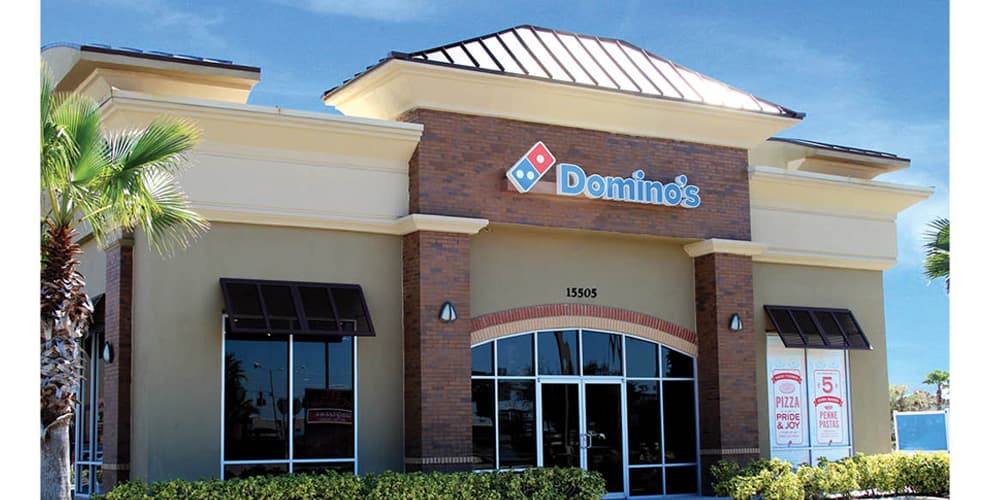
Food Service
Domino's
Port Orange
Port Orange, Florida
1,400 SF
Mechanical + Electrical + Plumbing
MEP engineering for a 1,400-square-foot Domino's restaurant in Port Orange, Florida, with customer, production, storage, and walk-in cooler spaces.
View Project →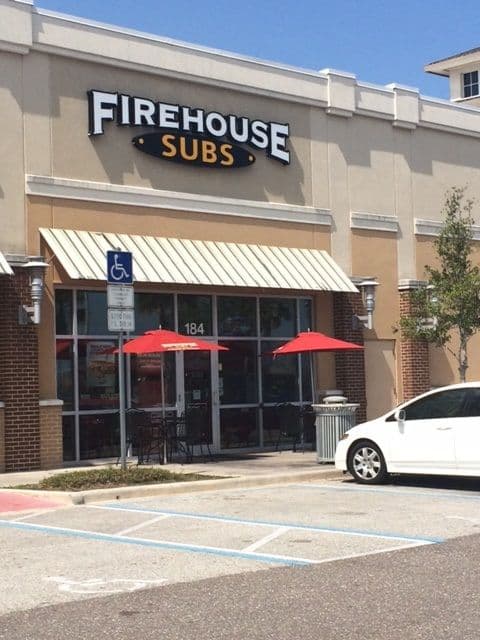
Food Service
Firehouse Subs
West Melbourne
West Melbourne, Florida
1,700 SF
Mechanical + Electrical + Plumbing
MEP engineering for a 1,700-square-foot Firehouse Subs restaurant in West Melbourne, Florida, with seating, food preparation, and office space.
View Project →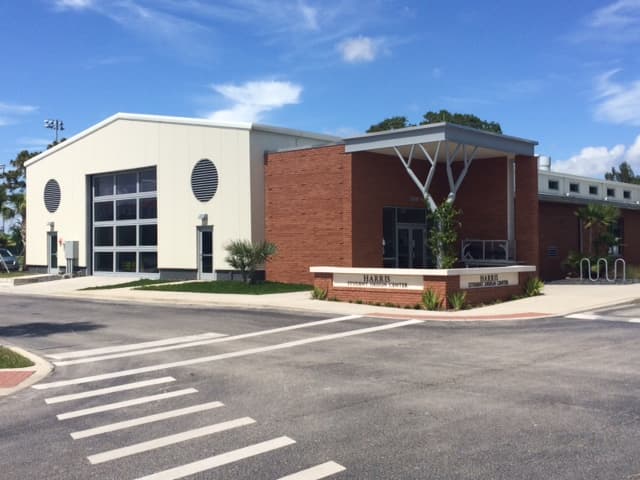
Higher Education
Florida Institute of Technology
Harris Student Design Center
Melbourne, Florida
8,000 SF
Mechanical + Plumbing Engineering
Mechanical and plumbing design, project administration, and LEED Fundamental Commissioning for the 8,000-square-foot Harris Student Design Center at Florida Tech in Melbourne, Florida.
View Project →Common Questions
Does the MEP engineer design site ponds and inlets?
Site stormwater is usually civil engineering. The plumbing engineer designs the building roof drainage and the storm piping leaving the building.
Why are overflow drains required?
If primary roof drains clog, overflow drainage prevents overloading the roof structure.
Filed under Plumbing Engineering
Continue exploring
Related Questions
What Is Plumbing Engineering?
Plumbing engineering is the design of domestic water, sanitary waste, storm drainage, and specialty piping systems for buildings.
What Is a Sanitary Waste System?
A sanitary waste system carries wastewater from fixtures through waste and vent piping to the building sewer and public or private treatment system.
What Is Commercial Domestic Water Design?
Commercial domestic water design sizes cold and hot water supply, heaters, pumping, and backflow protection for building fixtures and equipment.
What Is a Medical Gas System?
A medical gas system supplies medical air, oxygen, vacuum, and other clinical gases through dedicated, code-regulated piping in healthcare facilities.
Do I Need an Engineer for a Commercial Renovation?
Many commercial renovations need an MEP engineer when HVAC, electrical, plumbing, occupancy, or life-safety systems change—or when sealed drawings are required for permit.
How Do You Choose an MEP Engineering Firm?
Choose an MEP engineering firm based on relevant project experience, local code familiarity, coordination ability, and how clearly the firm defines scope—not just the lowest fee.
Related BEED Services
Related Locations
Local Presence
BEED Engineering — Based in Palm Bay, Serving Florida
BEED Engineering is a Palm Bay-based MEP firm providing mechanical, electrical, and plumbing design for commercial and specialized facilities throughout Central Florida and Florida. BEED Engineering is a firm you can trust to get the job done.
Need Engineering Help?
Need roof drainage or building storm piping design?
BEED Engineering designs building storm drainage coordinated with architecture, structure, and site civil work.