
Engineering Question
What Engineering Is Required for a Medical Office?
Medical offices typically need coordinated mechanical, electrical, and plumbing engineering sized to clinical layouts, equipment, and either new construction or renovation conditions.

Reviewed by
Michael K. Frempong, PE, LEED AP
President & Principal Engineer, BEED Engineering
Michael K. Frempong is a professional engineer and LEED AP accredited professional with over 20 years of experience in consulting engineering. As President & Principal Engineer at BEED Engineering, he leads the firm’s MEP design and consulting work for laboratory, healthcare, industrial, data center, education, commercial, municipal, and other building projects throughout Florida.
View BEED team profileQuick Answer
A medical office usually needs mechanical, electrical, and plumbing engineering coordinated as an MEP package. Mechanical covers HVAC and ventilation for exam and support spaces. Electrical covers lighting, receptacles, and equipment power. Plumbing covers domestic water, sanitary systems, and fixtures. Renovations add an existing-conditions review so the design fits available capacity. Specialty systems such as medical gas are included only when the clinical program requires them.
On this page
What a medical office needs from engineering
A medical office is a clinical workplace inside a commercial building shell. It typically needs coordinated healthcare MEP engineering: mechanical, electrical, and plumbing systems designed to the room program rather than treated as a generic office tenant improvement.
See also BEED’s healthcare engineering page for facility-type context.
Mechanical
Mechanical scope usually includes:
- HVAC sizing for exam rooms, waiting, offices, and support spaces
- Ventilation and exhaust for restrooms and any specialty rooms
- Temperature and humidity control appropriate to the program
- Coordination with ceilings, lighting, and medical equipment clearances
Larger or specialized clinics may need more deliberate healthcare HVAC design than a standard business occupancy.
Electrical
Electrical scope commonly covers:
- Lighting and controls
- General receptacles and dedicated equipment circuits
- Panel capacity and feeder sizing
- Coordination with mechanical equipment power
- Fire alarm interfaces when required by the project
Imaging, procedure, or high-demand equipment can drive early electrical decisions.
Plumbing
Plumbing scope typically includes domestic water, sanitary waste and vent, and clinical or restroom fixtures. Medical gas is included only when the practice needs oxygen, medical air, vacuum, or related outlets. Many medical offices do not.
New construction vs. renovation
New construction allows HVAC, power, and plumbing to be routed together from the start.
Renovation requires an existing-conditions review: Can the rooftop unit or air handler serve the new layout? Is panel capacity available? Do wet walls and sanitary stacks land where the plan needs sinks? See Do I need an engineer for a commercial renovation? and when you need an MEP engineer.
Documented medical-office and clinic examples
BEED’s archive includes medical-office and clinic work such as:
- Sompalli Medical Office in Orlando — MEP design and construction administration for a medical office renovation
- Night Lite Pediatrics in Palm Bay — MEP design for a pediatric clinic
- Physician Office in Vero Beach — MEP design for a medical office
- Soars Medical in Oviedo — mechanical and plumbing design for a diagnostic center
When to involve an engineer
Involve an MEP engineer when leasing or building a clinic suite, converting office space to medical use, adding equipment with significant power or HVAC impact, or when sealed drawings are required for permit. Waiting until interiors are complete is how medical offices inherit undersized HVAC and panels.
Related BEED projects
All projects →Selected work that shows how BEED has applied this kind of engineering on real buildings.
Healthcare
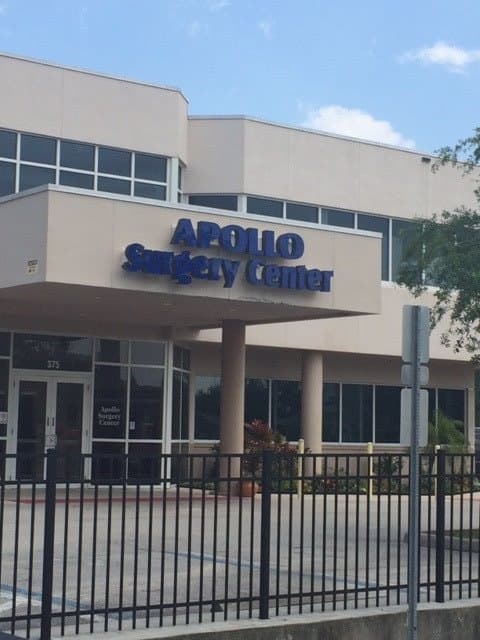
Apollo Surgery Center
Surgical Facility Expansion
West Melbourne, Florida
8,000 SF
Mechanical + Plumbing + Fire Protection
Mechanical, plumbing, and fire protection engineering for an 8,000-square-foot expansion of a surgical facility in West Melbourne, Florida.
View Project →BEED Engineering
Healthcare
Night Lite Pediatrics
Palm Bay, Florida · Mechanical + Electrical + Plumbing
Healthcare
Night Lite Pediatrics
Pediatric Clinic
Palm Bay, Florida
3,450 SF
Mechanical + Electrical + Plumbing
MEP engineering for a 3,450-square-foot pediatric clinic in Palm Bay, Florida.
View Project →BEED Engineering
Healthcare
Cape Canaveral Hospital
Cocoa, Florida · Mechanical + Electrical Engineering
Healthcare
Cape Canaveral Hospital
Isolation Room Exhaust
Cocoa, Florida
Mechanical + Electrical Engineering
Mechanical and electrical engineering for a dedicated exhaust system serving an isolation room on the third floor of Cape Canaveral Hospital in Cocoa, Florida.
View Project →Common Questions
Is a medical office the same as a hospital for engineering?
No. Medical offices are usually simpler than hospitals, but they still need MEP design matched to clinical rooms, equipment, and occupancy—not a copy of a generic retail fit-out.
Do all medical offices need medical gas?
No. Many physician offices do not. Medical gas and vacuum are added when the clinical program and equipment require them.
Can we renovate an existing office into a clinic without an engineer?
Finish-only work may not need MEP engineering. Changes to HVAC, electrical load, plumbing, or occupancy often do. Confirm with the building department and an existing-systems review.
What should be decided before design starts?
Room types, equipment list, occupancy, and whether the project is new construction or a renovation of an existing shell or suite.
Filed under Construction & Design
Continue exploring
Related Questions
What Is Healthcare MEP Engineering?
Healthcare MEP engineering is the coordinated mechanical, electrical, and plumbing design of building systems for clinics, hospitals, surgical facilities, and other clinical environments.
Do I Need an Engineer for a Commercial Renovation?
Many commercial renovations need an MEP engineer when HVAC, electrical, plumbing, occupancy, or life-safety systems change—or when sealed drawings are required for permit.
What Is a Medical Gas System?
A medical gas system supplies medical air, oxygen, vacuum, and other clinical gases through dedicated, code-regulated piping in healthcare facilities.
When Do You Need an MEP Engineer?
Hire an MEP engineer when a project changes HVAC, power, plumbing, life-safety systems, occupancy, or when a building department requires sealed drawings.
What Is Different About HVAC Design for Healthcare Facilities?
Healthcare HVAC design addresses ventilation, exhaust, temperature, humidity, airflow relationships, and controls in clinical spaces—not comfort cooling alone.
How Do You Choose an MEP Engineering Firm?
Choose an MEP engineering firm based on relevant project experience, local code familiarity, coordination ability, and how clearly the firm defines scope—not just the lowest fee.
Related BEED Services
Service
Mechanical Engineering
HVAC, chilled water, central plants, ventilation, humidity control, and building automation for commercial and institutional buildings.
Service
Electrical Engineering
Power distribution, lighting, generators, fire alarm, and low-voltage systems for new construction and renovations.
Service
Plumbing Engineering
Domestic water, sanitary waste, storm drainage, medical gas, and natural gas systems for building projects.
Service
MEP Engineering
Coordinated mechanical, electrical, and plumbing engineering for commercial, healthcare, education, and institutional buildings.
Related Locations
Local Presence
BEED Engineering — Based in Palm Bay, Serving Florida
BEED Engineering is a Palm Bay-based MEP firm providing mechanical, electrical, and plumbing design for commercial and specialized facilities throughout Central Florida and Florida. BEED Engineering is a firm you can trust to get the job done.
Need Engineering Help?
Discuss Your Project
BEED Engineering designs MEP systems for medical offices and clinics in Orlando, Palm Bay, Brevard County, and across Central Florida.