
Engineering Question
When Do You Need an MEP Engineer?
Hire an MEP engineer when a project changes HVAC, power, plumbing, life-safety systems, occupancy, or when a building department requires sealed drawings.

Reviewed by
Michael K. Frempong, PE, LEED AP
President & Principal Engineer, BEED Engineering
Michael K. Frempong is a professional engineer and LEED AP accredited professional with over 20 years of experience in consulting engineering. As President & Principal Engineer at BEED Engineering, he leads the firm’s MEP design and consulting work for laboratory, healthcare, industrial, data center, education, commercial, municipal, and other building projects throughout Florida.
View BEED team profileQuick Answer
You need an MEP engineer when a building project changes mechanical, electrical, or plumbing systems in a way that affects code compliance, capacity, life safety, or constructability. That includes most new commercial construction, many renovations, HVAC and electrical upgrades, change-of-use projects, specialized facilities, and work that requires signed and sealed drawings for permitting. Confirm specific permit thresholds with the authority having jurisdiction.
On this page
The short rule
Hire an MEP engineer when the project will change how the building is heated, cooled, ventilated, powered, drained, or protected. If a permit reviewer will ask “who designed this system?”, you need an engineer. Exact permit thresholds vary—confirm with the authority having jurisdiction (AHJ).
New commercial construction
Most new commercial, institutional, healthcare, and industrial buildings need full MEP design. Systems must be sized for occupancy, coordinated with architecture and structure, and documented for permitting and bidding.
That typically includes HVAC and ventilation, electrical service and distribution, plumbing and specialty piping, and life-safety systems. See What engineering services are needed for commercial construction?.
Commercial renovations
Renovations need MEP engineering when the work changes system capacity, distribution, or occupancy—not when it is finish-only. Common triggers:
- HVAC capacity or outdoor-air changes
- Electrical service or panel load increases
- Added restrooms, kitchens, or medical gas
- Fire alarm coverage changes
- Tenant improvements that reconfigure conditioned space
See Do I need an engineer for a commercial renovation? for a practical decision test.
HVAC, electrical, and plumbing modifications
You often need an MEP engineer when modifying:
- HVAC — capacity, refrigerant, ventilation rates, duct distribution, or control sequences
- Electrical — service upgrades, panel additions, generators, or major load increases
- Plumbing — fixture additions, domestic water upgrades, grease waste, or medical gas
Like-for-like replacements can sometimes proceed without a full MEP package. Once capacity, code, or coordination is in question, engineering should establish the design.
Change of building use
Changing how a building is used—office to clinic, retail to restaurant, warehouse to assembly—often changes ventilation, power, plumbing, and life-safety requirements. Those projects commonly need engineered MEP documents even when the exterior looks unchanged.
Confirm occupancy and permit requirements with the AHJ early. A facility assessment helps establish what existing systems can support the new use.
Specialized facilities, healthcare, and laboratories
Healthcare, surgical, diagnostic, laboratory, and research projects usually need MEP engineering because environmental, power, and plumbing criteria go beyond standard commercial comfort systems. Examples include clinical ventilation, dedicated exhaust, medical gas, and equipment-driven electrical loads.
BEED’s specialized-facility work includes Cape Canaveral Hospital renovations and other healthcare projects across Central Florida.
Equipment changes
Equipment changes that often drive engineering:
- Rooftop or air-handling unit replacements that alter capacity or electrical demand
- Chiller, boiler, or chilled water plant upgrades
- Generator additions
- Building automation or control sequence changes
- Process or medical equipment that adds heat, power, or plumbing load
If the new equipment is not a true match for the old one, treat it as a design problem—not only a procurement problem.
Projects that may not need full MEP design
Minor finish renovations, furniture work, and some strictly like-for-like replacements may not need a full MEP package. Even then, a short engineering review can confirm that the replacement does not create a code or capacity problem.
A facility assessment is often the right first step when the building is older and the scope is unclear.
Timing
Bring the engineer in during programming or schematic design when:
- Ceiling height is tight
- The building has a central plant
- Healthcare, lab, or data-room criteria apply
- The electrical service is near capacity
- The owner wants energy or humidity performance, not just “replace the unit”
Waiting until construction documents are nearly done forces the MEP design to fit leftover space.
Local permitting
In Brevard County, Port St. Lucie, Orlando, and other Florida markets, commercial permit sets commonly require signed and sealed mechanical, electrical, and plumbing drawings. Requirements vary by occupancy and scope, so confirm with the AHJ. BEED regularly prepares those documents for projects in Palm Bay, Melbourne, and throughout Brevard County.
Examples of when that involvement mattered include Cape Canaveral Hospital renovations, the City of West Melbourne maintenance building, and Route 1 Motorsport.
Related BEED projects
All projects →Selected work that shows how BEED has applied this kind of engineering on real buildings.
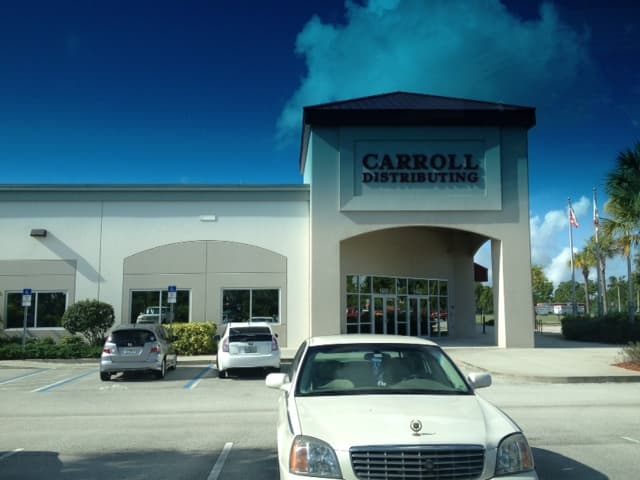
Industrial
Carroll Distributing
Beer Distribution Facility
Rockledge, Florida
165,000 SF
Mechanical Engineering
Mechanical engineering for a 165,000-square-foot beer distribution facility in Rockledge, Florida.
View Project →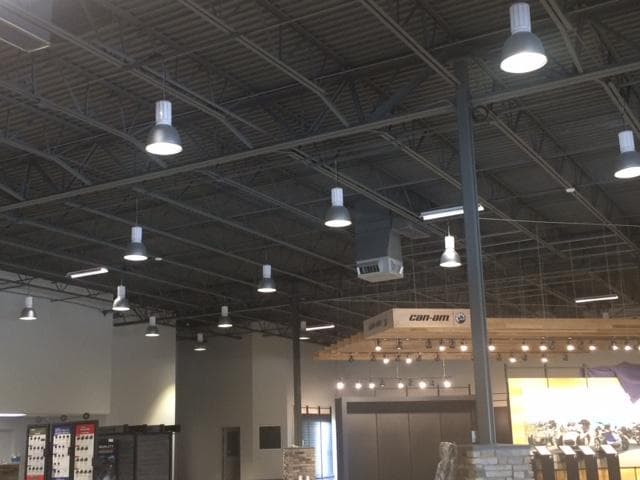
Automotive
Route 1 Motorsport
Automotive Sales and Service
Malabar, Florida
26,600 SF
Mechanical + Electrical + Plumbing
MEP engineering, site lighting, and project administration for a 26,600-square-foot powersports sales, service, and storage campus in Malabar / Palm Bay, Florida.
View Project →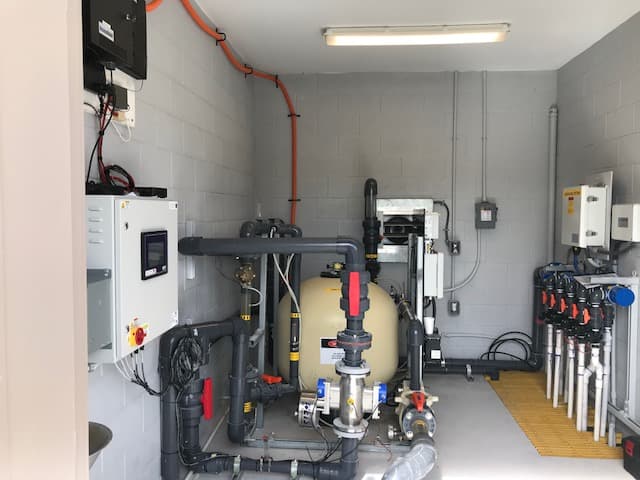
Municipal
City of West Melbourne
Interactive Fountain / Splash Pad
West Melbourne, Florida
Mechanical Engineering
Mechanical systems design for the interactive fountain and splash pad at West Melbourne Community Park in West Melbourne, Florida.
View Project →Common Questions
Can a contractor design the HVAC system instead?
Contractors can install systems, and some equipment replacements are contractor-led. Once capacity, code, or coordination is in question, a licensed engineer should establish the design. Confirm with the building department whether sealed drawings are required.
Is an engineer required for a like-for-like equipment replacement?
Not always. If the replacement changes electrical load, refrigerant type, structural support, ventilation rates, or control sequences, engineering is often needed. When unsure, a short engineering review is safer than discovering a permit problem later.
Do I need an MEP engineer for new commercial construction?
Usually yes. Most new commercial, institutional, healthcare, and industrial buildings need coordinated mechanical, electrical, and plumbing design with sealed documents for permitting.
When does a commercial renovation need an MEP engineer?
When the renovation changes HVAC capacity, electrical load, plumbing infrastructure, fire alarm coverage, or occupancy. Finish-only work may not. See Do I need an engineer for a commercial renovation? for a decision framework.
Does a change of building use require an MEP engineer?
Often yes. Changing occupancy—such as office to medical clinic or warehouse to assembly—can trigger new ventilation, power, plumbing, and life-safety requirements that need engineered design.
Do healthcare or laboratory projects always need MEP engineering?
Specialized facilities usually do. Clinical ventilation, medical gas, laboratory exhaust, and equipment-driven loads typically require coordinated MEP design rather than contractor layout alone.
When should I bring in the MEP engineer?
During programming or schematic design when ceiling height is tight, a central plant exists, specialty criteria apply, the electrical service is near capacity, or performance goals go beyond replacing equipment.
Filed under Construction & Design
Continue exploring
Related Questions
Do I Need an Engineer for a Commercial Renovation?
Many commercial renovations need an MEP engineer when HVAC, electrical, plumbing, occupancy, or life-safety systems change—or when sealed drawings are required for permit.
What Engineering Services Are Needed for Commercial Construction?
Commercial construction typically needs mechanical, electrical, and plumbing design, plus sealed documents for permitting and construction-phase engineering support.
What Does an MEP Engineer Do?
An MEP engineer designs mechanical, electrical, and plumbing systems, coordinates them with architecture and structure, and supports the project through permitting and construction.
How Much Does MEP Engineering Cost?
MEP engineering fees depend on building type, system complexity, renovation constraints, and the level of construction-phase services—not a single percentage that fits every project.
What Is a Facility Assessment?
A facility assessment is an engineering review of existing mechanical, electrical, and plumbing systems to document condition, remaining life, and recommended work.
How Do You Choose an MEP Engineering Firm?
Choose an MEP engineering firm based on relevant project experience, local code familiarity, coordination ability, and how clearly the firm defines scope—not just the lowest fee.
Related BEED Services
Service
MEP Engineering
Coordinated mechanical, electrical, and plumbing engineering for commercial, healthcare, education, and institutional buildings.
Service
Engineering Services
Mechanical, electrical, plumbing, commissioning, and building systems consulting for commercial and institutional projects.
Service
Facility Assessments
Condition assessments and capital planning support for existing mechanical, electrical, and plumbing systems.
Related Locations
Local Presence
BEED Engineering — Based in Palm Bay, Serving Florida
BEED Engineering is a Palm Bay-based MEP firm providing mechanical, electrical, and plumbing design for commercial and specialized facilities throughout Central Florida and Florida. BEED Engineering is a firm you can trust to get the job done.
Need Engineering Help?
Not sure if your project needs an engineer?
BEED can review a renovation, replacement, or new-building scope and tell you what level of MEP design the work actually requires.